 Music Academie
How much practice is actually enough
Fifteen minutes on a Tuesday beats an hour on Sunday. What the research says, and what we see in the studio.
At six, the instrument matters less than the size, the noise, and whether the child can carry it.
The easiest start: no tuning by ear, both hands visible, immediate sound. It needs space and tolerant neighbours, and a digital piano with weighted keys is fine for the first two years.
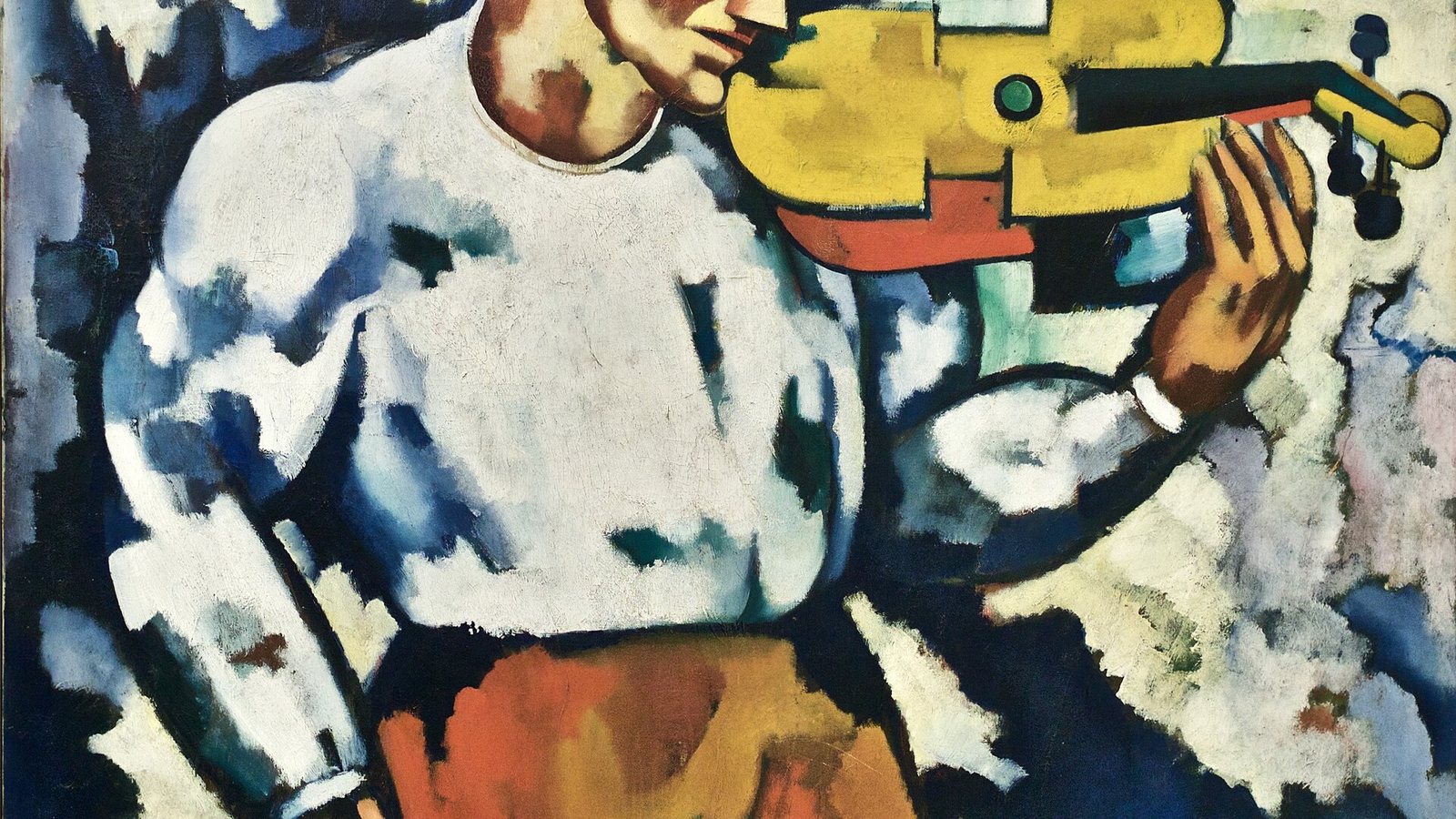
Rewarding and slow. Expect three months of short bows and open strings before anything recognisable. Get a properly sized instrument (1/4 or 1/2 at that age) and a teacher who does not rush posture.
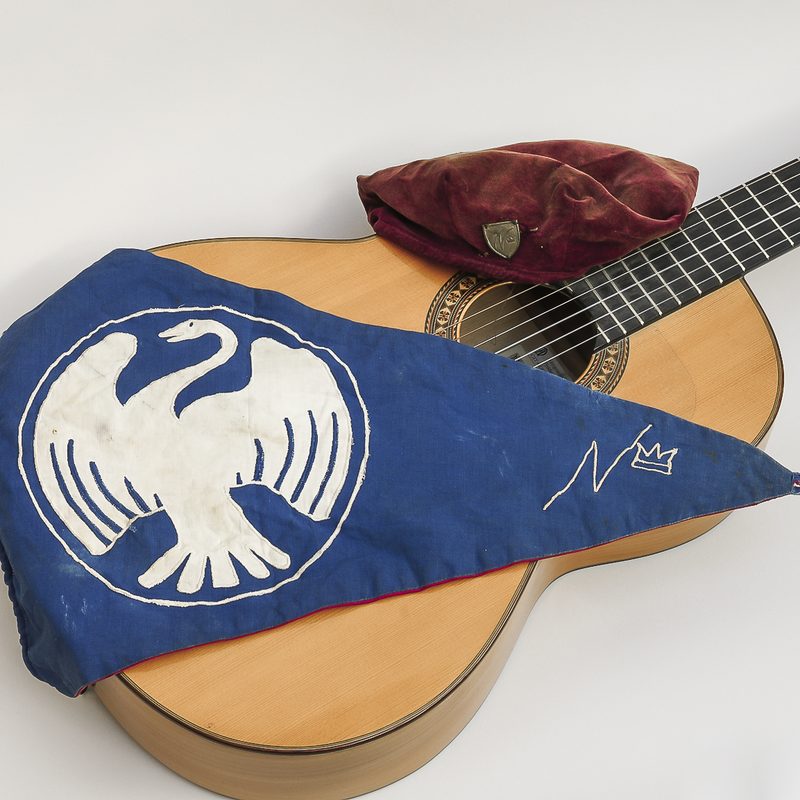
Small hands struggle with a full-size guitar. A 3/4 classical with nylon strings is the sane choice; steel strings hurt, and pain is a bad first lesson.
Talent tests, “musical” siblings, and the neighbour whose child plays Chopin at seven. The only reliable predictor is whether the child volunteers to play again.
Fifteen minutes on a Tuesday beats an hour on Sunday. What the research says, and what we see in the studio.
It is almost never the hands. It is the repertoire, the schedule, and the idea that progress should be linear.
Ten minutes of talk, thirty of playing, and an honest answer about whether this is the right teacher.